
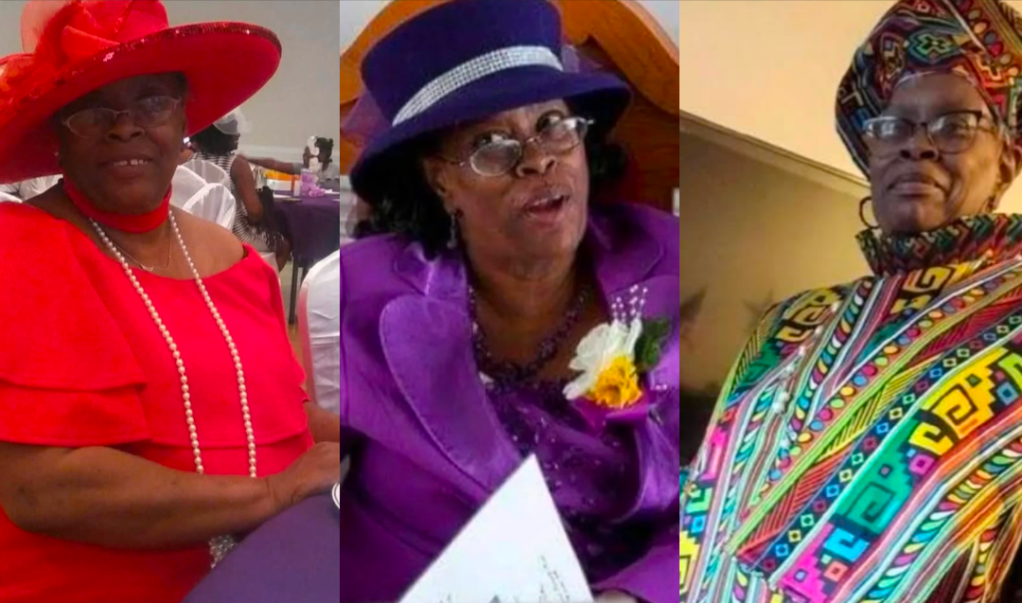
The tradition of wearing church hats on Sunday is deeply meaningful to my family. On Sundays, I would often marvel at my Grandmother’s elegant attire as we attended our small family church in Waynesboro, Georgia, where she would wear her stunning hats. As a hardworking custodian at an elementary school, my Grandma Minnie generally dressed casually during the week in jogging pants, themed T-shirts, and, like me, preferred to go barefoot at home. However, on Sundays, she would apply her signature Avon red lipstick, wear a beautifully designed hat, and don a stylish suit that made her easily recognizable in her pew.On special holidays like Christmas and Mother’s Day, my grandfather and my mom’s siblings would join forces to gift my Grandmother Minnie a hat, which would leave her overjoyed and proud, ready to wear it on Sunday.

Like Mother , Like Daughter
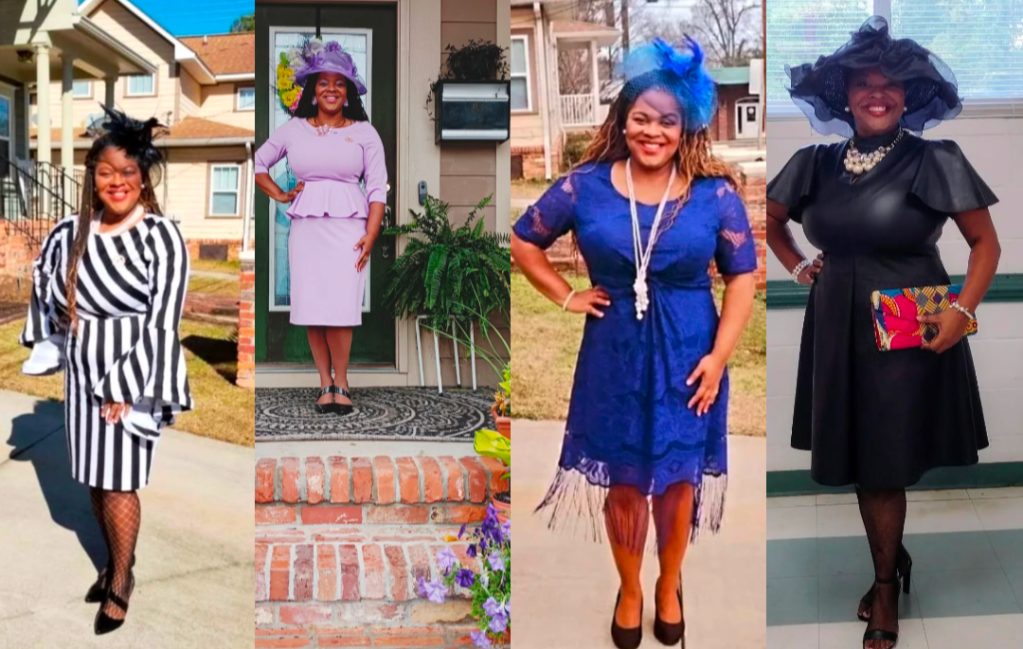
My mother’s affinity for wearing hats, a trait she shares with her mother, sets her apart from her sisters and is a hallmark of her eclectic style, which features an array of hats, including bejeweled and wide-brimmed designs, as well as vibrant fascinators and traditional African headdresses. Unbeknownst to me, I have unconsciously adopted her love for hats and incorporated them into my own wardrobe. My first hat was a beautiful teal hat given to me by our church’s First Lady when I was 16, which I wore with great appreciation and pride, paired with a matching dress my mother had purchased to complement the outfit. Since then, I have continued to develop a fondness for hats and fascinators, wearing them on various Sundays and at women’s events. As a black woman, sometimes I feel like we are often expected to embody strength and resilience, while our softer, more feminine qualities are frequently suppressed in respects within equality to our delicateness than our female counterparts.
Deeper Roots
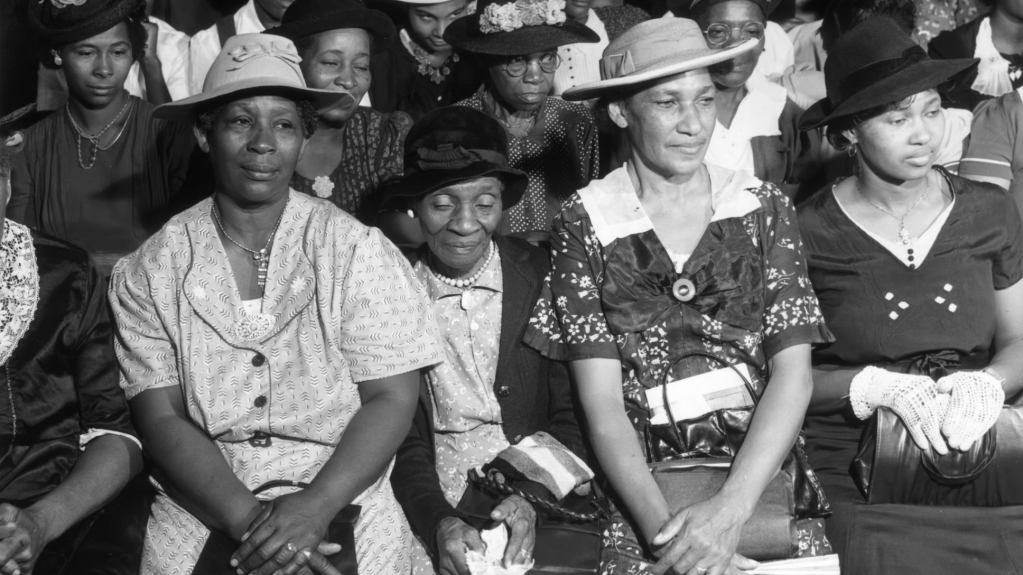
Black women’s Sunday church hats often lovingly called “crowns” carry a legacy that is both deeply spiritual and culturally profound. Our hats symbolize resilience, dignity, and triumph over historical hardship, serving as a meaningful expression of faith that is as personal as it is beautiful. Rooted in African traditions and shaped by the post-slavery era, these hats represent reverence for sacred space and a powerful affirmation of identity. After slavery, dressing in one’s finest for worship became an intentional act of pride and self-worth a visible declaration of freedom, dignity, and hope. For many women whose heads were once shaved or forcibly covered, adorning a hat on Sunday became a sacred act of reclaiming humanity, autonomy, and honor. Many styles echo traditional African headwraps and hairstyles, maintaining a meaningful connection to ancestral heritage while expressing individuality and grace.Though traditions evolve over time, the significance of these hats endures especially among older generations and during special occasions. Please note that dress hats aren’t limited to merely wearing on Sundays, as hats can be worn for brunches, teas, and other special occasions where our femininity as women shines. They remain a timeless blend of faith, fashion, history, and cultural pride. Church hats honor the past while continuing to inspire confidence, reverence, and spiritual expression today.
A New Generation
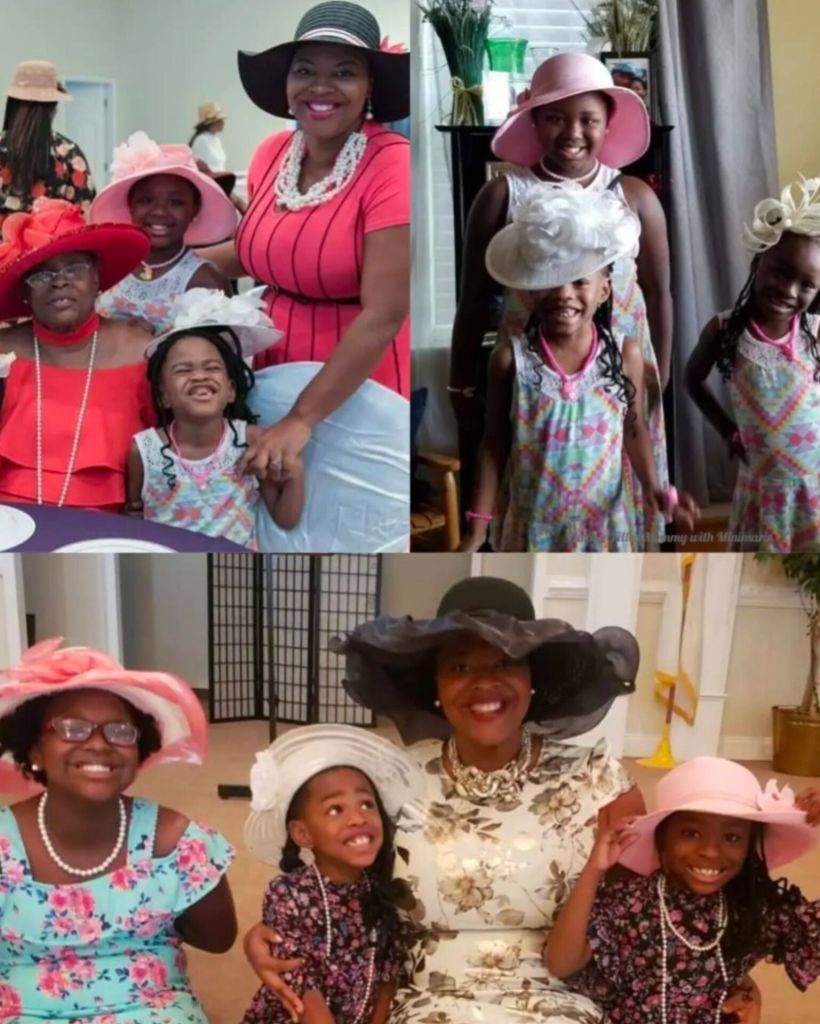
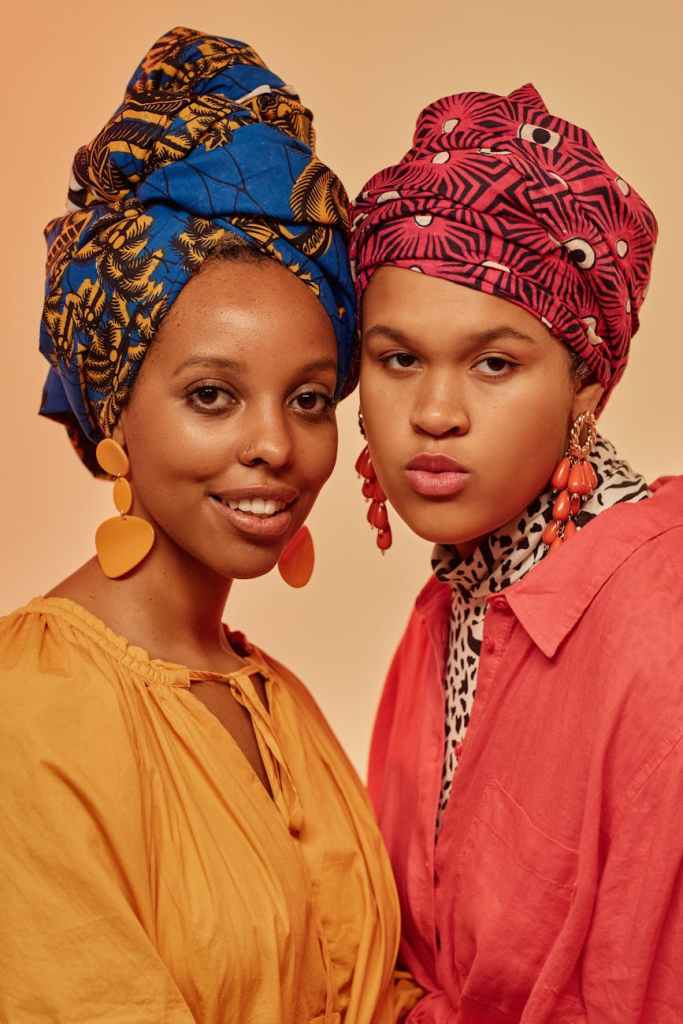
As a speaker and emcee, I frequently receive invitations to women’s events centered around hat themes or ladies’ teas. My daughters take pleasure in attending these events with me, wearing their hats with poise, and without any pressure. While I do not compel them to wear hats, I welcome their decision to do so at their own discretion, acknowledging our family’s legacy, heritage, and the value of self-expression.
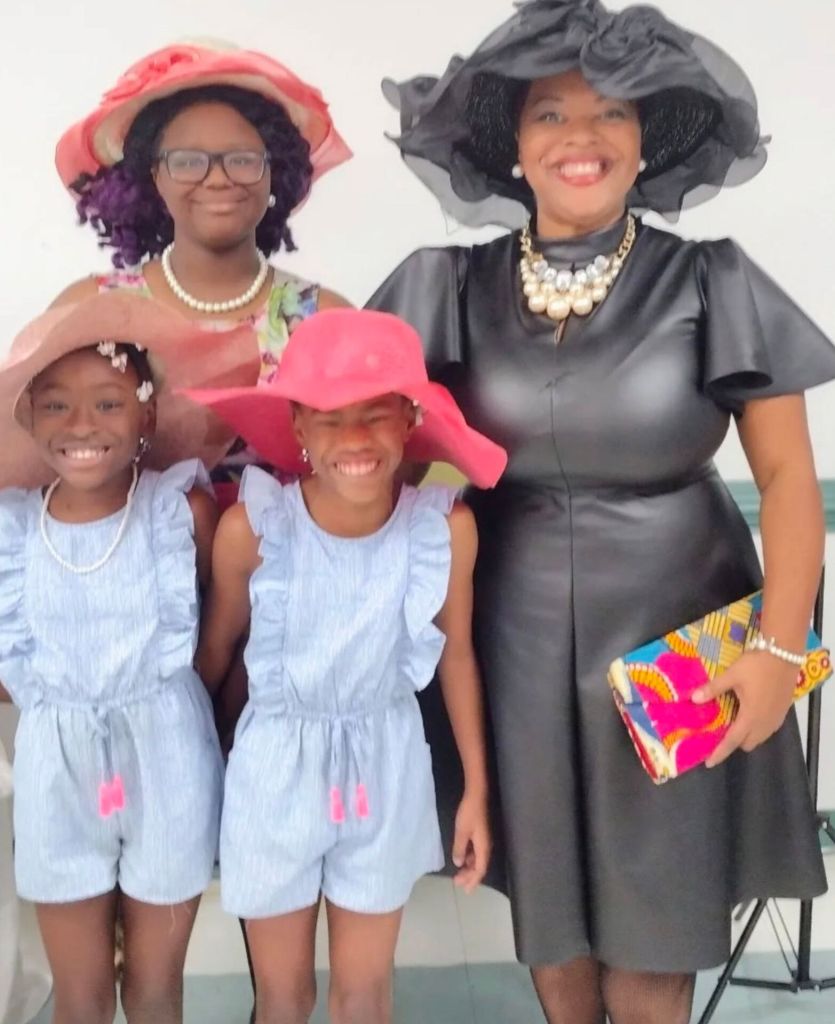

 Purpose Filled Mommy with Minimarie